
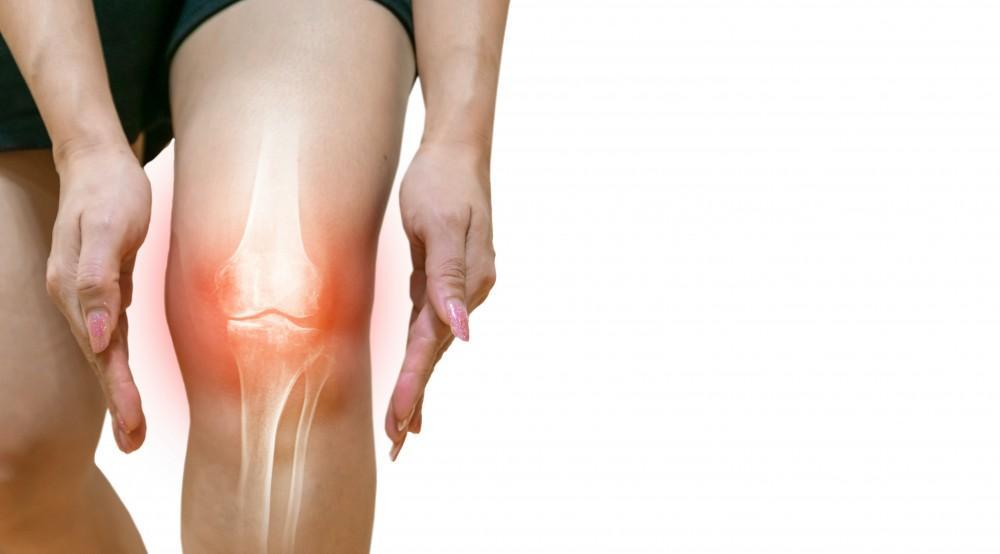
A sudden twist, a deep squat, or even stepping off a curb awkwardly—and then you feel it. A sharp pain and maybe even a popping sound in your knee. You may have just experienced a Torn Meniscus, one of the most common knee injuries for both athletes and non-athletes alike.
This injury can be painful and debilitating, affecting your ability to walk, run, or even just bend your knee. Understanding what a knee cartilage tear involves, what to look for, and what your treatment options are is the first and most critical step toward recovery.
Table of Contents
What Is a Torn Meniscus?
To understand a tear, you first need to know what the meniscus is. Inside your knee joint, between your thighbone (femur) and shinbone (tibia), you have two C-shaped pieces of tough, rubbery cartilage. These are your menisci (plural for meniscus).
According to the American Academy of Orthopaedic Surgeons (AAOS), your menisci act as:
- Shock absorbers: They cushion the joint and absorb impact.
- Stabilizers: They help distribute weight and provide stability to the knee.
A Torn Meniscus occurs when this C-shaped cartilage is ripped or torn, usually from a forceful twist or rotation.
Common Causes of a Torn Meniscus
There are two primary ways a meniscus can be torn:
- Traumatic (Acute) Tears: These are common in younger individuals and athletes. They happen suddenly as a result of a forceful action, such as:
- Pivoting or twisting your body while your foot is planted
- Deep squatting, especially while lifting a heavy weight
- A direct blow to the knee (common in sports like football)
- This often occurs along with other knee injuries, like an ACL tear.
- Degenerative Tears: These are more common in older adults. As we age, the meniscus weakens and thins, becoming more brittle. With this wear and tear, a tear can occur from a very simple movement, like getting up from a chair or stepping on an uneven surface.
Key Symptoms of a Torn Meniscus
You may not feel the injury right away, but meniscus tear symptoms often develop over the next 24 to 48 hours.
Common signs include:
- A “popping” sensation at the time of injury.
- Pain: Especially when you twist, rotate, or put weight on the knee.
- Stiffness and Swelling: The knee may feel “tight” and look puffy.
- Knee Locking: The sensation of your knee “catching” or locking, making you unable to bend or straighten it fully.
- Instability: A feeling that your knee is “giving way” or can’t support you.
- Limited Range of Motion: Difficulty moving the knee through its full bend.
Risk Factors for a Meniscus Tear
Certain factors can increase your risk of this injury:
- Athletic Activity: Playing sports that involve sudden pivots and stops (like basketball, soccer, or tennis).
- Age: The risk of degenerative tears increases significantly with age.
- Occupation: Jobs that require frequent, repetitive squatting (like construction or plumbing).
- Obesity: Carrying extra weight puts more stress on your knee joints.
- Previous Knee Injuries: Having an unstable knee can put the meniscus at greater risk.
Diagnosis: How a Torn Meniscus is Found
To determine if you have a Torn Meniscus, a doctor will start with a thorough evaluation.
- Medical History: Your doctor will ask you exactly what you were doing when the pain started.
- Physical Exam: The doctor will check your knee for tenderness along the joint line where the meniscus sits. They may also perform specific maneuvers, like the McMurray test, where they bend, rotate, and straighten your knee to see if it produces a “click” or pain.
- Imaging Tests:
- X-rays: These cannot show a tear in the soft-tissue meniscus but are crucial for ruling out other problems like broken bones or arthritis.
- MRI (Magnetic Resonance Imaging): This is the gold standard for diagnosing a torn meniscus. According to MedlinePlus, an MRI uses magnetic fields to create detailed images of the soft tissues in your knee, clearly showing the cartilage and any tears.
Treatment Options for a Torn Meniscus
Treatment depends on the type, size, and location of the tear, as well as your age and activity level.
Non-Surgical Treatment
Many degenerative tears or small tears in the outer part of the meniscus (the “red zone,” which has a good blood supply) can be managed without surgery.
- R.I.C.E. Protocol: This is the first step for most knee injuries.
- Rest: Avoid activities that cause pain (especially twisting or pivoting).
- Ice: Apply a cold pack for 15-20 minutes several times a day to reduce swelling.
- Compression: Use an elastic bandage to control swelling.
- Elevation: Prop your leg up above the level of your heart.
- NSAIDs: Over-the-counter nonsteroidal anti-inflammatory drugs, like ibuprofen (Advil) or naproxen (Aleve), can help reduce pain and swelling.
- Physical Therapy: This is a key part of recovery. A therapist will give you exercises to restore your knee’s range of motion and strengthen the muscles (like your quadriceps) that support the joint.
Surgical Treatment
If the tear is large, unstable, causes your knee to lock, or is in the “white zone” (the inner part with no blood supply), surgery may be needed. This is almost always done with knee arthroscopy—a minimally invasive procedure.
- Partial Meniscectomy: The surgeon trims away the damaged, unstable piece of the meniscus. This is the most common surgical treatment.
- Meniscus Repair: The surgeon uses sutures (stitches) or tacks to repair the tear and sew it back together. This is only possible for certain types of tears, usually in the “red zone” where healing can occur.
The torn meniscus recovery time is longer for a repair (3-6 months) than for a meniscectomy (3-6 weeks), but a repair saves more of your natural cartilage, which can help prevent arthritis later in life.
Prevention Tips
While you can’t prevent every injury, you can reduce your risk:
- Stay Strong: Focus on exercises that strengthen your quadriceps and hamstrings, which help support and stabilize your knee.
- Warm Up: Always warm up before exercise or playing sports.
- Use Proper Technique: Whether in sports or lifting weights, use the correct form to avoid putting excess stress on your knees.
- Be Cautious: Be mindful of uneven surfaces and avoid sudden, forceful pivots when you aren’t prepared.
When to See a Doctor
You should make an appointment with a healthcare professional if:
- You felt or heard a “pop” in your knee.
- You cannot put your full weight on your leg.
- Your knee is locking, catching, or “giving way.”
- Your knee is significantly swollen and stiff.
- The pain and swelling do not improve after a few days of R.I.C.E.
A doctor can provide an accurate diagnosis and create a treatment plan to get you back on your feet safely.
Disclaimer: This article is for informational purposes only and does not constitute medical advice. Always consult with a qualified healthcare professional for any health concerns or before making any decisions related to your health or treatment.
Published on September 15, 2023 and Last Updated on October 29, 2025 by: Priyank Pandey
Get real time update about this post category directly on your device, subscribe now.

