
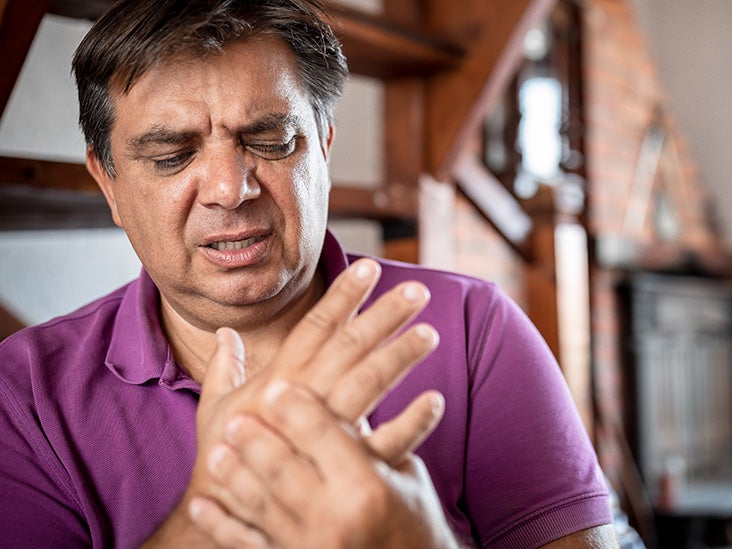
A sudden impact from a fall, a sports injury, or punching a hard object—and now you’re left with immediate, sharp pain in your hand. You look down and suspect you have a Broken Knuckle, one of the most common types of hand fractures. The pain, knuckle pain and swelling, and inability to move your finger can be alarming.
It is crucial to recognize the signs of a Broken Knuckle and seek proper treatment. Ignoring it can lead to improper healing, long-term stiffness, and a loss of grip strength. This guide will cover the causes, symptoms, and treatments to ensure you heal correctly.
Table of Contents
What Is a Broken Knuckle?
A Broken Knuckle is a fracture (a break or crack) in one of the bones of your hand at the knuckle joint. Your knuckles are the prominent joints at the base of your fingers, formed by the bones of your hand (metacarpals).
These joints are called the metacophalangeal (MCP) joints. According to the American Academy of Orthopaedic Surgeons (AAOS), these bones are vulnerable to breaking from a direct blow.
The most common type of broken hand knuckle is a “Boxer’s fracture.” This is a specific break at the base of the little finger’s metacarpal bone, and it’s almost always caused by punching a wall or another solid object with a closed fist.
Common Causes of a Broken Knuckle
A knuckle fracture is caused by direct and forceful trauma. The most frequent causes include:
- Punching a hard object: This is the leading cause, resulting in a Boxer’s fracture.
- Sports Injuries: Contact sports like boxing, martial arts, or football can cause fractures from direct impact or by jamming the hand.
- Falls: Falling hard onto a clenched fist or outstretched hand can transfer enough force to break a knuckle.
- Crush Injuries: Getting your hand caught in a car door or between two heavy objects.
- Workplace Accidents: Common in manual labor.
Key Symptoms of a Broken Knuckle
How do you know if your knuckle is broken and not just bruised or sprained? The knuckle fracture symptoms are usually immediate and obvious:
- Sudden, Severe Pain: You will feel intense pain at the moment of impact.
- Immediate Swelling: The area over the knuckle will swell up quickly.
- Bruising: The skin over the knuckle will become discolored.
- A “Sunken” Knuckle: This is a classic sign. When you make a fist, the injured knuckle will look like it has disappeared or is “depressed” compared to your other knuckles.
- Deformity: The finger may look shorter than the others or sit at an odd angle.
- Inability to Move the Finger: You will have extreme difficulty or be unable to bend or straighten the affected finger.
- Tenderness: The area is extremely sensitive to any touch.
- A “Popping” or “Crunching” Sound: You may have heard or felt this at the time of injury.
Diagnosis: How Doctors Confirm the Injury
You cannot “tough out” a suspected fracture. A proper diagnosis is essential for correct healing.
- Physical Exam: A doctor will ask how the injury happened and then gently examine your hand. They will look for the key symptoms, especially deformity, swelling, and the “sunken knuckle” sign. They will also check your range of motion and see if the finger rotates or overlaps its neighbors when you try to make a fist.
- X-ray: According to MedlinePlus, an X-ray is the most important tool for diagnosing a Broken Knuckle. It will clearly show the location and severity of the break, whether the bone is displaced (out of alignment), and if the joint itself is damaged.
Treatment Options for a Broken Knuckle
How to treat a broken knuckle depends entirely on which bone is broken and how severe the fracture is.
Immediate First Aid
As soon as the injury happens, and while you are waiting to see a doctor:
- Ice: Apply a cold pack wrapped in a cloth to the area to reduce swelling.
- Elevation: Keep your hand raised above the level of your heart.
- Immobilize: Do not try to move the finger or “pop it back in.” A temporary splint can help keep it still.
Medical Treatment
- Immobilization (Splinting or Casting): Most Broken Knuckle fractures, especially if the bone is in a good position, can be treated without surgery. The most common method is placing the hand in a splint or cast for several weeks. Often, the doctor will use “buddy taping,” where the injured finger is taped to the healthy one next to it to provide support.
- Reduction (Setting the Bone): If the fracture is displaced (the bone ends are out of place), your doctor will need to perform a “reduction.” They will numb your hand and manually push the bone back into its correct alignment before applying a cast.
- Surgery: The American Society for Surgery of the Hand (ASSH) notes that surgery may be necessary for severe fractures. This includes:
- Fractures that are badly displaced.
- Fractures that involve the joint surface.
- Open fractures (where the bone has broken the skin).
- Surgery often involves using small pins, screws, or a plate to hold the bone pieces together in the correct position.
- Physical Therapy: After the cast or splint is removed, your hand will be stiff. A physical therapist will guide you through exercises to restore your hand’s strength and range of motion.
Risk Factors
Certain activities and conditions increase your risk of a Broken Knuckle:
- Participation in contact sports like boxing, martial arts, and football.
- Osteoporosis, a condition that weakens bones and makes them easier to break.
- High-risk jobs involving manual labor.
Prevention Tips
While accidents happen, you can reduce your risk:
- Wear Protective Gear: Always use proper hand wraps and gloves when boxing or engaging in martial arts.
- Learn Proper Technique: In sports, learn the correct way to punch or make contact to avoid injury.
- Control Anger: A Boxer’s fracture is often the result of punching a wall. Find healthier ways to manage anger and stress.
- Build Bone Strength: Ensure you get enough calcium and vitamin D to keep your bones strong, especially if you are at risk for osteoporosis.
When to See a Doctor
A Broken Knuckle requires professional medical attention. You should go to an urgent care center or see your doctor as soon as possible after the injury.
Seek immediate medical help if:
- You have severe pain and swelling after a direct blow to your hand.
- Your knuckle looks sunken or deformed.
- You cannot move your finger.
- Your finger is numb or tingling, which could signal nerve damage.
- You have an open wound over the fracture (an open fracture), which is an emergency due to an increased risk of infection.
Waiting too long can result in the bone healing in the wrong position, which can lead to permanent deformity, stiffness, and chronic pain.
Disclaimer: This article is for informational purposes only and does not constitute medical advice. Always consult with a qualified healthcare professional for any health concerns or before making any decisions related to your health or treatment.
Published on September 1, 2023 and Last Updated on October 29, 2025 by: Priyank Pandey

