
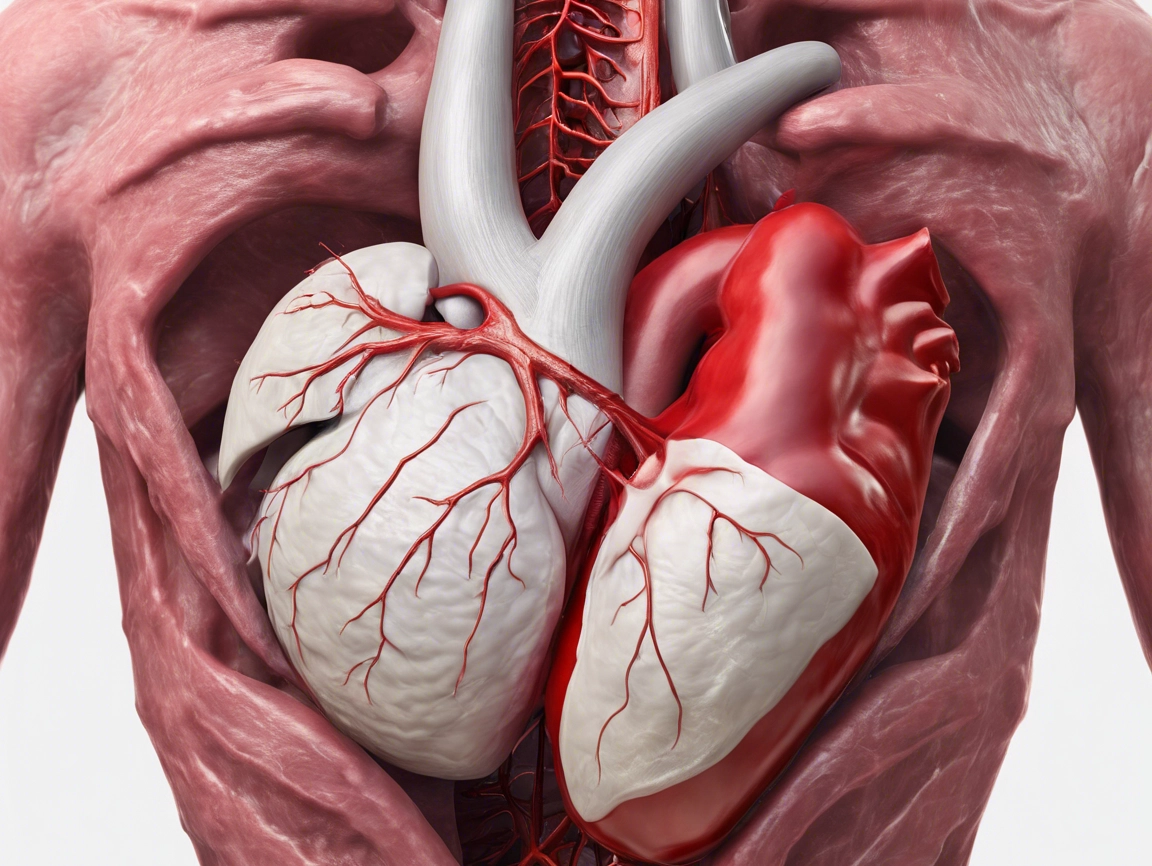
Experiencing sharp, stabbing chest pain is one of the most frightening symptoms a person can have. While many people immediately fear a heart attack, another common cause is Pericarditis. This condition, an inflammation of the sac surrounding your heart, has a very distinct set of symptoms—and it’s crucial to know what they are.
While Pericarditis is often mild and resolves on its own, it can sometimes be serious and require medical treatment. This guide will cover the common causes, the key symptoms to watch for, and the treatment options available.
Table of Contents
What Is Pericarditis?
Pericarditis is the inflammation (swelling and irritation) of the pericardium, which is the thin, two-layered, sac-like membrane that surrounds your heart. This sac, often called the inflammation of heart sac, holds a small amount of fluid that lubricates the heart, allowing it to beat without friction.
When the pericardium becomes inflamed, the layers can rub against each other, causing a sharp, stabbing chest pain. This “rubbing” is a key sign of the condition.
Common Causes of Pericarditis
In many cases, the exact cause of Pericarditis is difficult to determine and is often labeled as “idiopathic” (unknown). However, a known cause can often be traced to one of the following:
- Viral Infections: This is the most common cause. Viruses like those that cause the common cold, the flu, or COVID-19 can trigger the inflammation.
- Systemic Inflammatory Diseases: Autoimmune disorders such as lupus and rheumatoid arthritis can cause the body’s immune system to attack the pericardium.
- Heart Attack or Heart Surgery: Pericarditis can develop shortly after a heart attack or heart surgery. This is sometimes called Dressler’s syndrome when it occurs weeks later.
- Other Conditions: Kidney failure, certain bacterial or fungal infections, and some medications can also lead to pericarditis.
Key Symptoms of Pericarditis
The primary symptom of acute Pericarditis is chest pain, but it is very different from the pain of a heart attack.
The Classic Symptom: Chest Pain
The Pericarditis symptoms for chest pain are highly specific:
- It feels sharp, stabbing, or “pleuritic” (like a stitch) in the center or left side of the chest.
- The pain gets worse when you cough, breathe deeply, or lie flat on your back.
- The pain gets better when you sit up and lean forward.
This positional change—feeling a sharp chest pain leaning forward that improves—is the single most classic sign of pericarditis.
Other Common Symptoms
You may also experience:
- A low-grade fever
- Weakness, fatigue, or a general feeling of being sick
- Shortness of breath, especially when reclining
- Heart palpitations or a “racing” feeling
- A dry cough
Diagnosis
Because the primary symptom is chest pain, it is essential to rule out a heart attack or other life-threatening conditions first.
To diagnose Pericarditis, your doctor will start with a physical exam.
- Auscultation (Listening): Your doctor will listen to your heart with a stethoscope. The “rubbing” of the inflamed pericardial layers can create a high-pitched, scratchy sound called a “pericardial friction rub.”
- Electrocardiogram (ECG): This test records your heart’s electrical signals and shows specific patterns that are a hallmark of pericarditis.
- Echocardiogram: This ultrasound of the heart is the best test to see the inflammation. It can also detect a pericardial effusion, which is a buildup of excess fluid in the pericardial sac—a common complication.
- Blood Tests: These check for markers of inflammation (like C-reactive protein) and for enzymes (like troponin) that would indicate damage to the heart muscle itself (a heart attack).
Treatment Options for Pericarditis
The goals of Pericarditis treatment are to relieve the pain, reduce the inflammation, and treat the underlying cause (if known).
1. Medications
- NSAIDs: The most common treatment is high-dose nonsteroidal anti-inflammatory drugs (NSAIDs), such as ibuprofen (Advil, Motrin) or naproxen (Aleve). These reduce both pain and inflammation.
- Colchicine: This anti-inflammatory drug, also used for gout, is very effective at treating acute pericarditis and, just as importantly, helping to prevent it from coming back.
- Corticosteroids: If your symptoms are severe or don’t respond to NSAIDs and colchicine, your doctor may prescribe a steroid like prednisone. However, these are used with caution as they can sometimes increase the risk of the condition recurring.
2. Treating the Underlying Cause
If your Pericarditis is caused by a bacterial infection, you will be given antibiotics. If it’s related to an autoimmune disease, managing that condition is key.
3. Hospitalization
Your doctor may admit you to the hospital for observation and to monitor you for serious complications.
Complications of Pericarditis
While most cases are mild, there are two serious complications to be aware of:
- Pericardial Effusion: This is a buildup of excess fluid in the pericardial sac. A small amount is common, but a large, rapid buildup can be dangerous.
- Cardiac Tamponade: This is a life-threatening medical emergency. It happens when a pericardial effusion becomes so large that the fluid compresses the heart, preventing it from filling with blood properly. Symptoms include severe shortness of breath, low blood pressure, and a rapid heartbeat.
- Constrictive Pericarditis: This is a chronic (long-term) complication where the pericardium becomes permanently scarred and stiff, squeezing the heart and impairing its function.
Risk Factors and Prevention Tips
Risk factors for Pericarditis include a recent viral infection, a recent heart attack, or having an autoimmune disorder.
It’s not always possible to prevent pericarditis, especially “idiopathic” cases. The best prevention is to:
- Practice good hygiene (hand-washing) to avoid viral infections.
- Manage autoimmune conditions effectively with your doctor.
- Seek prompt treatment for pericarditis to help prevent it from becoming chronic or recurrent.
When to See a Doctor
Any new or unexplained chest pain should be treated as a medical emergency.
Call 911 or seek emergency medical care immediately. It is impossible to self-diagnose the difference between pericarditis, a heart attack, or another serious condition.
Even if the pain feels exactly like the “sharp chest pain leaning forward” described here, do not take a chance. Let a medical professional perform an ECG and blood tests to make a definitive diagnosis.
Disclaimer: This article is for informational purposes only and does not constitute medical advice. Always consult with a qualified healthcare professional for any health concerns or before making any decisions related to your health or treatment.
Published on July 25, 2023 and Last Updated on October 30, 2025 by: Priyank Pandey
Get real time update about this post category directly on your device, subscribe now.

