
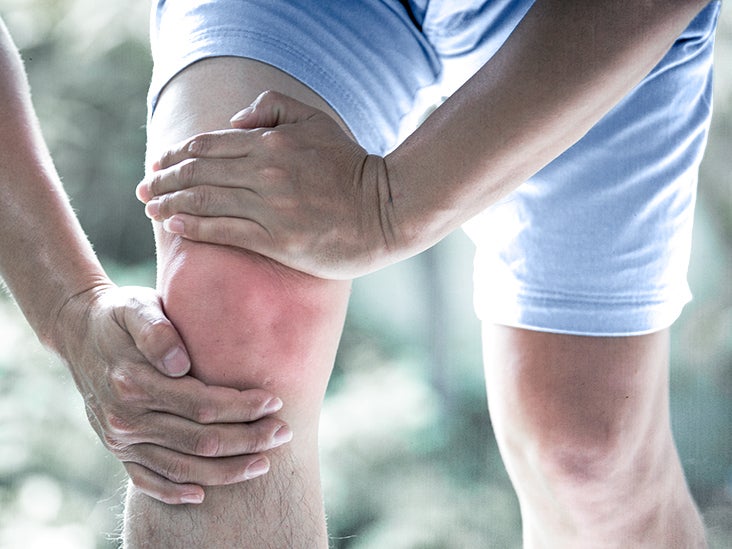
You may have woken up in the middle of the night with a knee that feels like it’s on fire—it’s swollen, red, and the pain is excruciating. Any pressure, even from a bedsheet, is unbearable. If this sounds familiar, you may be experiencing Gout in Knee.
While many associate gout with the big toe, it can and does affect other joints, including the knee. This sudden, severe pain is a form of inflammatory arthritis, and it’s important to understand what’s happening and how to get relief. This guide will walk you through the causes, symptoms, and treatment for a gout attack in knee.
Table of Contents
What Is Gout in Knee?
Gout is a common and complex form of arthritis characterized by sudden, severe attacks of pain, swelling, redness, and tenderness in the joints. Gout in Knee is simply when one of these attacks occurs in your knee joint.
This condition is caused by a high level of uric acid in your blood (a condition called hyperuricemia). Uric acid is a waste product your body creates when it breaks down substances called purines, which are found in your body and in certain foods.
When your body produces too much uric acid, or your kidneys excrete too little, it can build up. According to the Centers for Disease Control and Prevention (CDC), this excess uric acid can form sharp, needle-like uric acid crystals in knee joints and surrounding tissue, which triggers the intense inflammatory response and pain.
Common Causes of a Gout Attack in the Knee
It’s important to separate the underlying cause (high uric acid) from the triggers of a specific attack. A gout attack in knee is often set off by an event that causes uric acid levels to spike or fluctuate, including:
- Dietary Choices: Consuming foods and drinks high in purines. This includes:
- Red meat (beef, lamb, pork) and organ meats (liver, kidneys)
- Certain seafood (shellfish, anchovies, sardines)
- Alcohol, especially beer and hard liquor
- Sugary drinks and snacks high in fructose
- Dehydration: Not drinking enough water can concentrate the uric acid in your blood.
- Medications: Certain medications, most notably diuretics (“water pills”) used for high blood pressure, can raise uric acid levels.
- Joint Trauma: A minor bump, injury, or even a previous surgery on the knee can sometimes trigger an attack.
- Sudden Illness or Surgery: The stress of another illness or a hospital stay can also set off a flare.
Key Symptoms of Gout in Knee
Gout symptoms in knee are infamous for their severity and sudden onset. They often start at night and ramp up to their worst level within 12 to 24 hours.
Key symptoms include:
- Intense, Sudden Pain: This is the hallmark. The pain is often described as crushing, stabbing, or feeling like the knee is “on fire.” The sudden knee pain gout brings is often so severe that any touch or movement is intolerable.
- Significant Swelling: The knee joint will become visibly swollen and puffy.
- Heat and Redness: The skin over the knee will feel very warm to the touch and often appears a deep red or purplish color.
- Limited Range of Motion: It will be extremely painful and difficult to bend or straighten your knee.
- Fever and Chills: In some cases, a severe gout attack can be accompanied by a low-grade fever and flu-like symptoms.
Diagnosis: How Doctors Confirm Gout
It is crucial to get a proper diagnosis, as Gout in Knee can mimic other serious conditions, like a joint infection.
A doctor will likely use a combination of methods:
- Medical History and Exam: The doctor will ask about your symptoms (especially the rapid onset), diet, and family history. They will examine the hot, swollen, tender joint.
- Joint Aspiration (Arthrocentesis): This is the gold standard for diagnosis. A doctor uses a needle to draw a small amount of fluid from the swollen knee joint. According to the Arthritis Foundation, the fluid is then examined under a microscope. If sharp, needle-like uric acid crystals are present, the diagnosis of gout is confirmed.
- Blood Test: A blood test can measure the level of uric acid in your blood. However, this test can be misleading, as some people have high uric acid and never get gout, while others can have normal levels during an attack.
- Imaging: X-rays are not useful for diagnosing a first-time attack but can show joint damage (gouty arthritis) from chronic gout. An ultrasound or a special dual-energy CT scan (DECT) can visualize crystal deposits.
Treatment Options for Gout in Knee
Knee gout treatment is divided into two phases: treating the painful attack now and preventing future attacks.
Treating an Acute Gout Attack
The goal is to stop the pain and inflammation as quickly as possible.
- NSAIDs (Nonsteroidal Anti-Inflammatory Drugs): High-dose, over-the-counter options like ibuprofen (Advil, Motrin) or naproxen (Aleve), or prescription-strength versions.
- Colchicine: An older anti-inflammatory drug that is very effective for gout, especially if taken within the first 24 hours of an attack.
- Corticosteroids: These are powerful anti-inflammatories. Your doctor may prescribe an oral pill (like prednisone) or inject a steroid directly into the knee joint for rapid, localized relief.
- Home Care (R.I.C.E.):
- Rest: Stay off the knee.
- Ice: Apply a cold pack to the knee for 20 minutes at a time to reduce swelling and numb the pain.
- Compression & Elevation: A compression bandage and elevating the knee can also help with swelling.
Long-Term Prevention
If you have recurrent attacks, your doctor will focus on lowering your uric acid levels.
- Uric Acid-Lowering Medications: These are taken daily, long-term (not just during an attack).
- Allopurinol and Febuxostat: These drugs limit the amount of uric acid your body produces.
- Probenecid: This drug helps your kidneys become more efficient at removing uric acid from your blood.
Risk Factors for Developing Gout
Certain factors make you more likely to develop hyperuricemia and gout:
- Obesity: Carrying extra weight increases uric acid production.
- Medical Conditions: Untreated high blood pressure, diabetes, metabolic syndrome, and kidney disease are all linked to gout.
- Family History: If your close relatives have gout, your risk is higher.
- Sex and Age: Gout is much more common in men, who usually develop it between ages 30-50. Women’s risk increases after menopause.
Prevention Tips and Lifestyle Changes
You can play a major role in managing your gout by making smart lifestyle choices:
- Stay Hydrated: Drink plenty of water. This helps your kidneys flush out uric acid.
- Modify Your Diet:
- Limit high-purine foods (red meat, organ meats, some seafood).
- Avoid beer and spirits.
- Reduce high-fructose corn syrup (found in many sodas and processed foods).
- Maintain a Healthy Weight: Losing weight, even a small amount, can significantly lower your uric acid levels.
- Eat Smart: Focus on a balanced diet rich in vegetables, fruits, and low-fat dairy, which studies suggest may help lower gout risk.
When to See a Doctor
Seek medical care immediately if this is the first time you are experiencing such severe and rapid joint pain, especially if you also have a high fever and chills. These symptoms overlap with septic arthritis (a joint infection), which is a medical emergency that can destroy a joint if not treated.
You should also see your doctor if:
- You are a diagnosed gout patient, but your current attack is not responding to your usual medication.
- Your gout attacks are becoming more frequent or more severe.
- You are experiencing side effects from your medication.
Do not try to “tough out” this pain. A proper diagnosis is the first step toward getting relief and preventing long-term joint damage.
Disclaimer: This article is for informational purposes only and does not constitute medical advice. Always consult with a qualified healthcare professional for any health concerns or before making any decisions related to your health or treatment.
Published on August 10, 2023 and Last Updated on October 29, 2025 by: Priyank Pandey
Get real time update about this post category directly on your device, subscribe now.

