
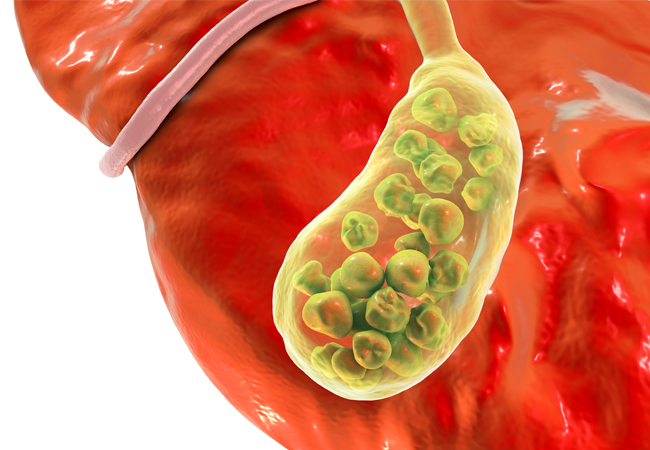
A sudden, intense, and gripping pain in your upper abdomen after a heavy meal is a frightening experience. For many, this is their first introduction to a “gallbladder attack,” a painful event often caused by Gallstones. While many people have gallstones and never know it, these small, hardened deposits can cause excruciating pain when they block your digestive system.
Understanding what gallstones are, what triggers them, and how they are treated is the first step to finding relief. This guide will cover the causes, symptoms, and modern treatment options for this common digestive condition.
Table of Contents
What Are Gallstones?
Gallstones are hard, pebble-like deposits that form inside your gallbladder. Your gallbladder is a small, pear-shaped organ located in the upper right part of your abdomen, just beneath your liver. Its main job is to store and concentrate bile, a digestive fluid produced by your liver that helps break down fats.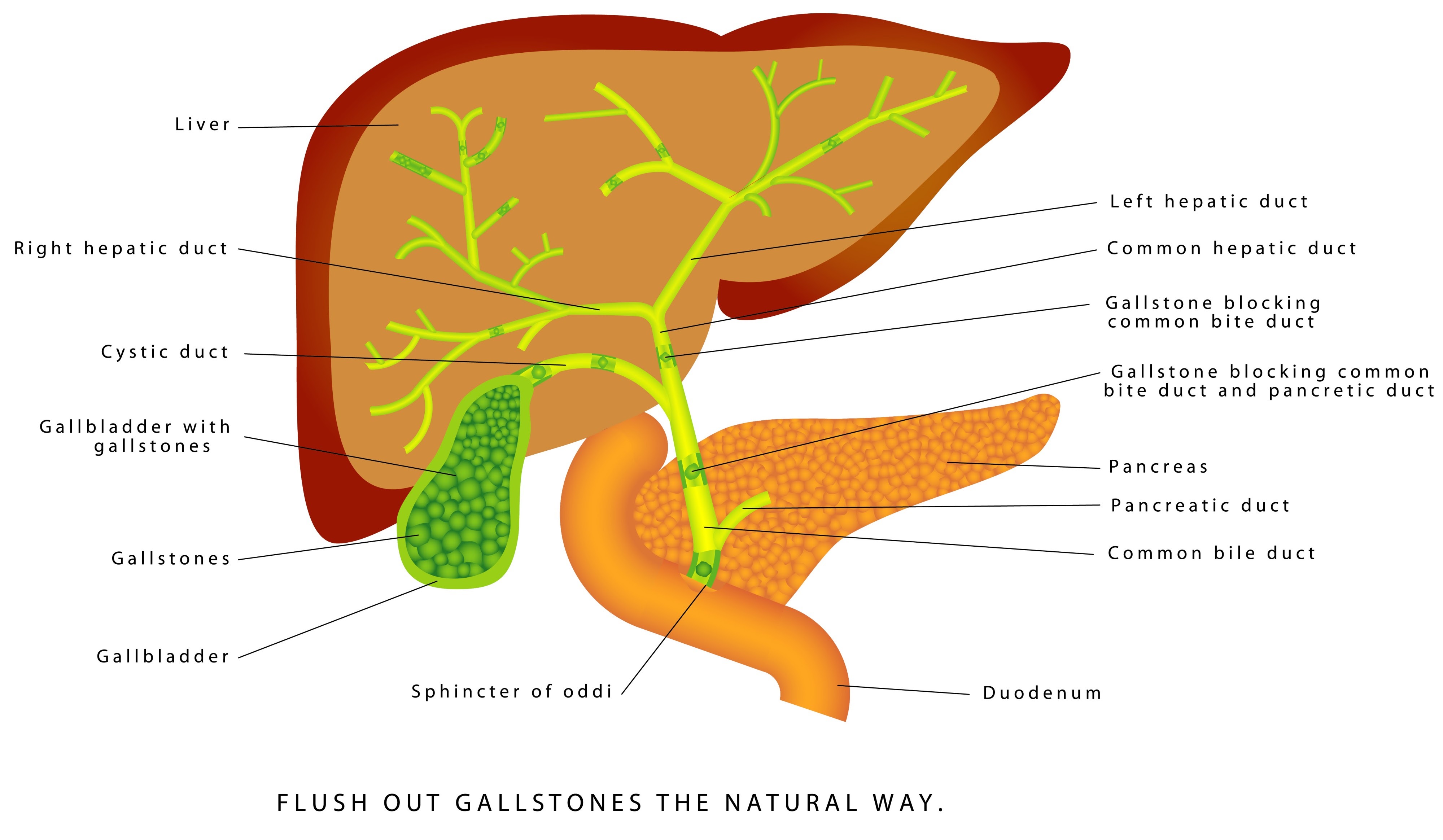
Stones can range in size from a tiny grain of sand to as large as a golf ball. According to the National Institute of Diabetes and Digestive and Kidney Diseases (NIDDK), there are two main types:
- Cholesterol Stones: This is the most common type. They are typically yellow-green and are made of undissolved cholesterol.
- Pigment Stones: These stones are smaller and darker (dark brown or black) and form when your bile contains too much bilirubin, a pigment produced from the breakdown of red blood cells.
What Causes Gallstones?
What causes gallstones to form is a complex process, but it generally comes down to a chemical imbalance in your bile.
- Too Much Cholesterol in Your Bile: Your liver excretes cholesterol, which is normally dissolved by bile. If your liver produces more cholesterol than your bile can dissolve, the excess can form into crystals and, eventually, stones.
- Too Much Bilirubin in Your Bile: Conditions like liver cirrhosis, certain blood disorders (like sickle cell anemia), and biliary tract infections can cause your liver to produce too much bilirubin, leading to pigment stones.
- Your Gallbladder Doesn’t Empty Correctly: If your gallbladder doesn’t empty completely or frequently enough, the bile can become highly concentrated, which contributes to the formation of both cholesterol and pigment stones.
Key Symptoms of Gallstones
Many people with gallstones have no symptoms at all. These are often called “silent stones.”
However, when a gallstone lodges in a duct and causes a blockage, it can trigger a “gallbladder attack” (also called biliary colic). These gallstone symptoms are sudden and often severe.
The primary symptoms of a gallbladder attack include:
- Sudden, intense pain in the upper right part of your abdomen.
- Pain that may be centered in your abdomen, just below your breastbone.
- Pain that radiates to your back or your right shoulder blade.
- Nausea or vomiting.
- The pain is often triggered by pain after eating fatty foods or a large meal.
- The pain can last from 30 minutes to several hours.
Risk Factors
Several factors can increase your risk of developing gallstones:
- Being Female: Women are more likely than men to develop gallstones, partly due to the hormone estrogen.
- Age: Your risk increases as you get older, especially after age 40.
- Family History and Genetics: Gallstones can run in families.
- Obesity: This is one of the strongest risk factors.
- Rapid Weight Loss: Losing weight very quickly (e.g., from crash diets or bariatric surgery) can cause the liver to secrete extra cholesterol, leading to stones.
- Diet: A diet high in fat and cholesterol and low in fiber.
- Other Conditions: People with diabetes, Crohn’s disease, and liver cirrhosis are at higher risk.
Diagnosis
If your doctor suspects gallstones based on your symptoms, they will use imaging to confirm it.
- Abdominal Ultrasound: This is the most common and effective test. It is a non-invasive procedure that uses sound waves to create images of your gallbladder.
- Blood Tests: These tests can check for signs of infection, inflammation, or problems with your liver or pancreas.
- Other Imaging: A CT scan, HIDA scan (to check gallbladder function), or MRI may be used to get more detailed images or check for complications, like a stone in your bile duct.
Treatment Options for Gallstones
The gallstone treatment plan depends on whether you have symptoms.
1. No Treatment (for “Silent Stones”)
If you have gallstones but no symptoms, you likely do not need treatment. Your doctor may recommend “watchful waiting” and monitoring your condition.
2. Surgery (Cholecystectomy)
For people with recurring gallbladder attack symptoms, the most effective and permanent treatment is surgery to remove the gallbladder (a cholecystectomy). You can live a perfectly healthy life without your gallbladder; your liver will simply release bile directly into your small intestine.
- Laparoscopic Cholecystectomy: This is the most common method. A surgeon makes a few tiny incisions in your abdomen to insert a camera and surgical tools. It is minimally invasive and has a fast recovery time.
- Open Cholecystectomy: This is a traditional surgery with a larger incision, used in cases of severe inflammation or other complications.
3. Non-Surgical Treatments
These are used less often but are an option for people who cannot undergo surgery.
- Medications: Oral medications containing bile acid (like ursodiol) can be used to dissolve cholesterol stones. This process is very slow, can take months or years, and the stones often return once you stop the medication.
- ERCP: If a stone is stuck in a bile duct, a procedure called an ERCP (Endoscopic Retrograde Cholangiopancreatography) can be used to find and remove it with a scope passed down your throat.
Prevention Tips
While you can’t change your genetics, you can lower your risk of gallstones:
- Don’t skip meals: Stick to a regular eating schedule to ensure your gallbladder empties.
- Eat a high-fiber diet: Focus on fruits, vegetables, and whole grains.
- Maintain a healthy weight: If you need to lose weight, do it slowly and steadily (1-2 pounds per week).
- Choose healthy fats: Focus on unsaturated fats (like from olive oil and fish) and limit saturated fats.
When to See a Doctor
A gallbladder attack can be very painful, but it’s important to know when it has become a medical emergency.
Seek immediate medical care if you develop symptoms of a serious complication, such as:
- Abdominal pain so intense you can’t sit still
- Pain that lasts for more than 5 hours
- High fever and chills
- Jaundice (a yellowing of your skin and the whites of your eyes)
- Pale, clay-colored stools or dark, tea-colored urine
These are signs of severe inflammation, infection (cholecystitis), or a blocked bile duct, which require urgent treatment.
Disclaimer: This article is for informational purposes only and does not constitute medical advice. Always consult with a qualified healthcare professional for any health concerns or before making any decisions related to your health or treatment.
Published on July 31, 2023 and Last Updated on October 30, 2025 by: Priyank Pandey
Get real time update about this post category directly on your device, subscribe now.

