
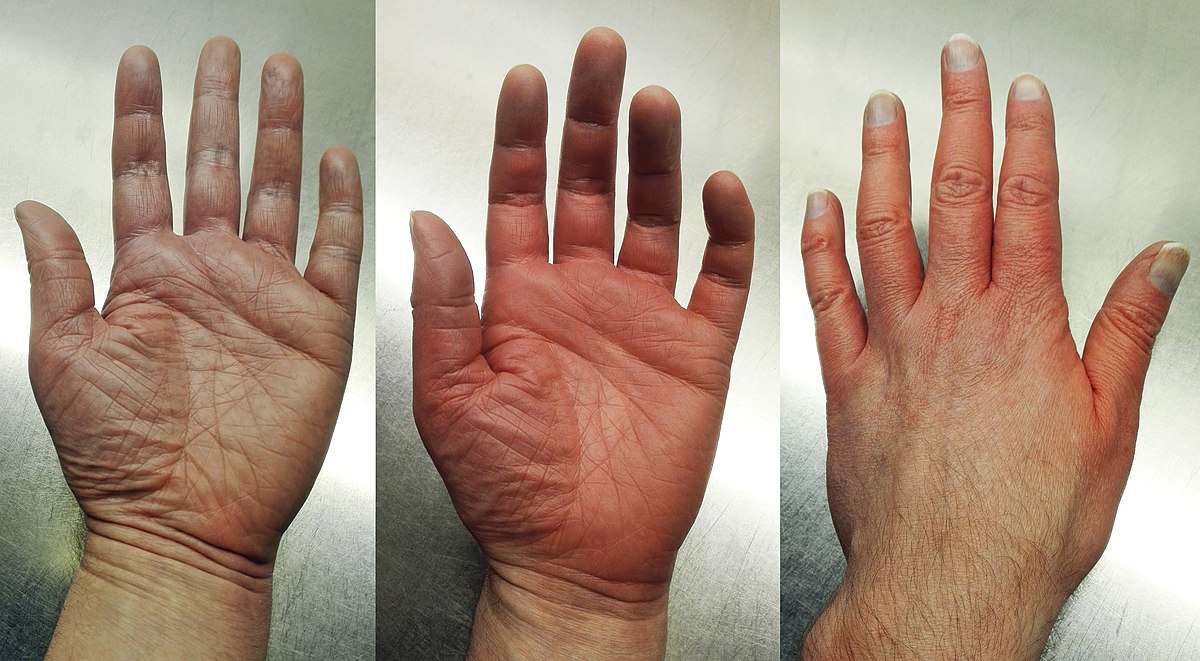
Experiencing sudden, intense episodes of burning pain, redness, and heat in your feet or hands can be alarming and debilitating. This isn’t just simple discomfort; it could be a rare condition known as Erythromelalgia. Often called “burning man syndrome,” these painful flare-ups can disrupt sleep, work, and daily activities, significantly impacting your quality of life.
This guide will explain what Erythromelalgia is, what’s behind the erythromelalgia causes, the key symptoms to look for, and the treatment options available to help you manage this complex condition.
Table of Contents
What Is Erythromelalgia?
Erythromelalgia (EM) is a rare disorder that affects the blood vessels and nerves, most commonly in the feet and hands. According to the National Institute of Neurological Disorders and Stroke (NINDS), it is characterized by episodic “flares” of:
- Intense burning pain
- Visible redness
- Increased skin temperature (heat)
These symptoms are a result of abnormal blood vessel widening (vasodilation), which rushes an excessive amount of blood to the affected area. While the feet and hands are most common, it can also affect the ears, face, and other parts of the body.
Common Causes of Erythromelalgia
Doctors classify Erythromelalgia into two main types based on its cause. Finding the cause is the most important step in managing the condition.
1. Primary Erythromelalgia
This form is often inherited (genetic) and is caused by a gene mutation. The most well-known mutation is in the SCN9A gene, which controls sodium channels in your pain-sensing nerves. This mutation essentially sets the “thermostat” for pain too low, making the nerves overactive.
2. Secondary Erythromelalgia
This form is more common and is “secondary to” (caused by) another underlying medical condition. According to the National Organization for Rare Disorders (NORD), common associated conditions include:
- Myeloproliferative Disorders: A group of blood cancers where the bone marrow produces too many red blood cells, platelets, or white blood cells. Polycythemia vera and essential thrombocythemia are common culprits.
- Autoimmune Diseases: Such as lupus, rheumatoid arthritis, or multiple sclerosis.
- Nerve Damage (Neuropathy): From conditions like diabetes, toxins, or physical injury.
- Certain Medications: Such as some calcium channel blockers (used for blood pressure) or bromocriptine.
Key Symptoms of Erythromelalgia
The symptoms of Erythromelalgia occur in flares that can last from minutes to several hours. The primary symptoms are:
- Intense burning pain: This is the hallmark of the condition. Patients often describe it as feeling like their feet or hands are “on fire” or being pricked by needles.
- Deep redness: The skin in the affected area will turn a deep, blotchy red or purple.
- Increased skin temperature: The area feels noticeably hot to the touch.
Symptoms are often symmetrical, affecting both feet or both hands. These painful flares are typically triggered by:
- Heat: Exposure to warm temperatures, taking a hot shower, or even wearing socks and shoes.
- Exercise or Physical Activity
- Standing for long periods
- Consuming alcohol or spicy foods
- Stress or fatigue
Diagnosis: How Doctors Identify EM
Diagnosing Erythromelalgia can be challenging because its symptoms can mimic other conditions (like neuropathy or infection). A diagnosis is often made clinically, based on your reported symptoms.
Your doctor will:
- Take a Detailed Medical History: They will ask you to describe your symptoms, what triggers them, and (very importantly) what provides relief.
- Perform a Physical Exam: The doctor may try to trigger a mild flare in the office (e.g., by having you wear warm socks) to observe the redness and heat.
- Order Blood Tests: A complete blood count (CBC) is crucial. It checks for elevated red blood cells or platelets, which is a strong indicator of a myeloproliferative disorder.
- Recommend Genetic Testing: If primary EM is suspected, a blood test can check for mutations in the SCN9A gene.
Treatment Options for Erythromelalgia
There is no single cure for EM, so treatment focuses on managing symptoms and, most importantly, addressing any underlying condition.
Lifestyle and Non-Medical Management
This is the cornerstone of how to treat erythromelalgia flares.
- Cooling: Using fans, cool gel packs, or elevating the limbs can provide relief.
- Trigger Avoidance: Identifying and avoiding your personal triggers (heat, tight shoes, alcohol, etc.) is essential.
- CRITICAL WARNING on Cooling: It is extremely tempting to submerge your intense burning pain in feet into a bucket of ice water. Do not do this. According to The Erythromelalgia Association (TEA), prolonged immersion in ice water can severely damage the skin and nerves, leading to ulcers, tissue death, and a “rebound” flare that is even worse. Use cool water sprays or short, 5-10 minute soaks in cool (not icy) water.
Treating Secondary Erythromelalgia
If your EM is caused by an underlying disorder, treating that disorder is the most effective approach. For example, low-dose aspirin is often very effective for EM caused by myeloproliferative disorders, as it helps thin the blood and reduce platelet-related inflammation.
Medications for Symptom Relief
Finding the right medication can be a process of trial and error, as what works for one person may not work for another.
- Topical Medications: Creams containing lidocaine or amitriptyline can be compounded by a pharmacy to provide local numbing.
- Oral Medications:
- Nerve Pain Drugs: Gabapentin or pregabalin.
- Antidepressants: Drugs like venlafaxine or amitriptyline can help modulate pain signals.
- Sodium Channel Blockers: For those with a confirmed SCN9A gene mutation, medications like mexiletine may be prescribed by a specialist.
Risk Factors
The primary risk factors depend on the type of EM:
- Primary EM: A family history of the condition.
- Secondary EM: Having an underlying condition, particularly:
- A myeloproliferative blood disorder (polycythemia vera, essential thrombocythemia).
- An autoimmune disease like lupus.
- A history of peripheral neuropathy.
Prevention Tips (Flare Management)
While you cannot prevent the onset of Erythromelalgia itself, you can take steps to prevent or reduce the frequency and severity of painful flares:
- Avoid Heat: Stay in cool, air-conditioned environments, especially during hot weather.
- Wear Appropriate Footwear: Choose open-toed shoes, sandals, or breathable cotton socks. Avoid tight, insulated, or synthetic footwear.
- Manage Exercise: Exercise in a cool environment. Many patients find swimming in a cool pool to be a well-tolerated form of exercise.
- Stay Hydrated: Drink plenty of cool water to help regulate body temperature.
When to See a Doctor
Because Erythromelalgia is often linked to serious underlying blood disorders, it is essential to see a doctor for a proper diagnosis. Make an appointment if you:
- Experience new or recurring episodes of intense, burning pain with redness and heat in hands and feet.
- Find that the flares are worsening or not responding to simple cooling measures.
- Develop any sores, blisters, or skin changes on the affected areas (this could be from over-cooling).
A doctor, often starting with your primary care physician and then referring to a hematologist or neurologist, can perform the necessary tests to find the cause and create a safe management plan.
Disclaimer: This article is for informational purposes only and does not constitute medical advice. Always consult with a qualified healthcare professional for any health concerns or before making any decisions related to your health or treatment.
Published on August 28, 2023 and Last Updated on October 29, 2025 by: Priyank Pandey
Get real time update about this post category directly on your device, subscribe now.

