
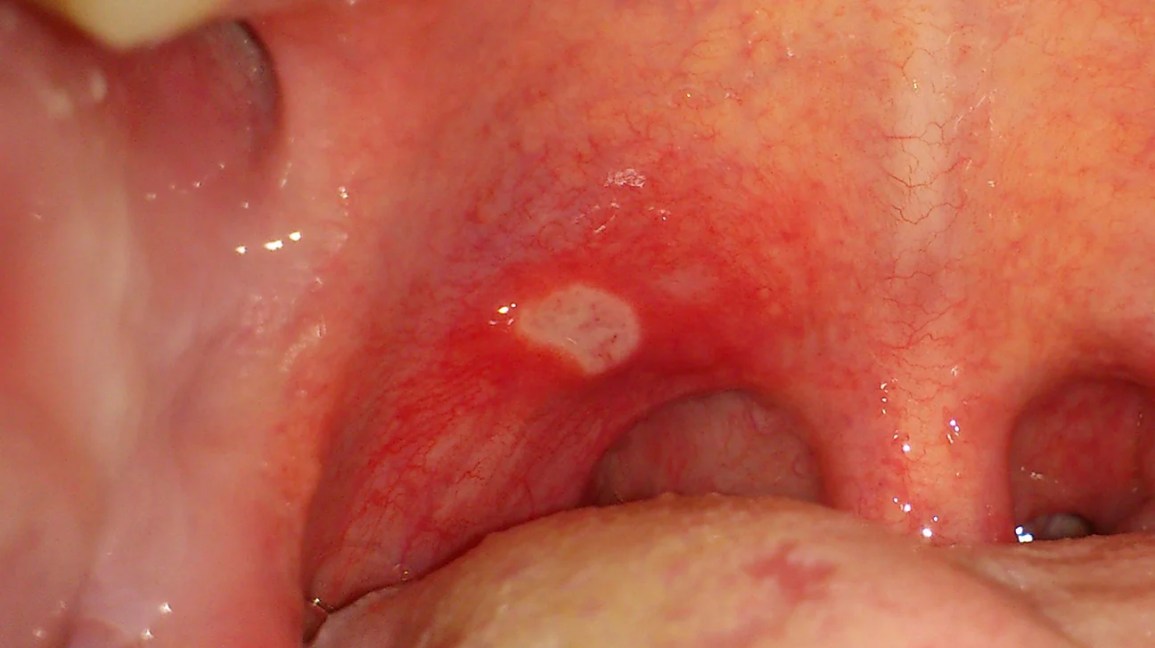
Finding a sore in your throat can be painful, alarming, and make simple acts like eating and drinking feel impossible. While many people are familiar with canker sores in the mouth, discovering what appear to be canker sores in the throat can be even more distressing. You’re likely looking for answers on what’s causing this pain and, more importantly, how to get rid of it.
It’s important to understand that while true canker sores can appear in the throat, other conditions often cause similar-looking sores in the back of the throat. This guide will help you understand the potential throat ulcer causes, identify key symptoms, and explore the treatment options that can provide relief.
Table of Contents
What Are Canker Sores in the Throat?
A classic canker sore, known medically as an aphthous ulcer, is a small, shallow lesion that develops on the soft tissues inside your mouth or at the base of your gums. According to Johns Hopkins Medicine, they are typically round or oval with a white or yellowish center and a red border.
When people refer to canker sores in the throat, they are usually describing painful sores located on the:
- Tonsils
- Soft palate (the soft tissue at the back of the roof of your mouth)
- Pharynx (the part of the throat behind the mouth and nasal cavity)
While true aphthous ulcers in the throat can occur, it’s less common than in the mouth. Often, these painful throat sores are a symptom of a different underlying viral or bacterial infection.
Common Causes of Canker Sores in the Throat
The cause of your throat sores determines the best course of treatment. The “canker sores” you feel in your throat may be caused by one of several conditions.
Viral Infections
Viruses are the most common cause of throat sores.
- Hand, Foot, and Mouth Disease (HFMD): Caused by the Coxsackievirus, this common childhood illness also affects adults. It causes painful sores in the mouth and throat, along with a rash on the hands and feet.
- Herpangina: Also caused by the Coxsackievirus, herpangina is characterized by small, blister-like ulcers in the back of the mouth and throat.
- Infectious Mononucleosis (“Mono”): This virus can cause a severe sore throat, sometimes with white patches or sores on the tonsils, along with extreme fatigue and swollen lymph nodes.
- Herpes Simplex Virus (HSV): The same virus that causes cold sores can, in some cases, cause ulcers in the throat.
Bacterial Infections
- Strep Throat: Caused by Streptococcus bacteria, strep throat can sometimes cause tiny red spots or sores (petechiae) on the soft palate. According to the Centers for Disease Control and Prevention (CDC), the primary symptoms are throat pain, fever, and swollen tonsils.
True Aphthous Ulcers
If your sores are true canker sores, the cause isn’t always clear, but triggers are well-known.
- Minor Injury: Trauma from dental work, accidentally biting your cheek, or irritation from sharp foods.
- Nutritional Deficiencies: A lack of vitamin B-12, zinc, folic acid, or iron.
- Stress or Hormones: Emotional stress and hormonal shifts can trigger outbreaks in susceptible people.
- Food Sensitivities: Irritation from acidic or spicy foods.
Other Medical Conditions
- Gastroesophageal Reflux Disease (GERD): Stomach acid that repeatedly flows back into the esophagus and throat can cause irritation and painful sores.
- Autoimmune Conditions: Diseases like Behçet’s disease or Crohn’s disease can cause ulcers throughout the digestive tract, including the throat.
- Weakened Immune System: People with compromised immune systems are more susceptible to all types of infections and ulcers.
Key Symptoms of Canker Sores in the Throat
Symptoms can vary based on the cause, but the most common complaints include:
- Painful swallowing (odynophagia)
- A scratchy, burning, or raw feeling in the throat
- Visible round or oval sores that are white, yellow, or gray with a red halo
- Difficulty eating or drinking, especially acidic or spicy foods
- Red, inflamed tonsils or throat tissue
If an infection is the cause, you may also experience:
- Fever
- Swollen lymph nodes in the neck
- Fatigue
- Headache
- A rash (common with HFMD)
Diagnosis: What to Expect at the Doctor’s Office
Because throat ulcer causes are so varied, a proper diagnosis is key. A doctor will typically:
- Ask About Your History: They’ll want to know when the sores started, what other symptoms you have, and if you’ve been exposed to anyone who is sick.
- Perform a Physical Exam: The doctor will use a light to look at your throat, tonsils, and the back of your mouth.
- Run Tests (if needed):
- Throat Culture: A rapid strep test or throat culture involves a quick swab of the back of your throat to check for bacteria.
- Blood Test: This can help identify viruses like mono or check for nutritional deficiencies.
Treatment Options for Canker Sores in the Throat
How to treat throat sores depends entirely on the diagnosed cause.
Home Remedies for Pain Relief
Regardless of the cause, these steps can help you manage the pain:
- Saltwater Gargle: Dissolve 1/2 teaspoon of salt in 8 ounces of warm water and gargle gently to cleanse the area and reduce pain.
- Avoid Irritants: Stay away from spicy, salty, acidic, or crunchy foods that can aggravate the sores.
- Stay Hydrated: Drink plenty of cool water or suck on ice chips to soothe the throat.
- OTC Pain Relievers: Acetaminophen (Tylenol) or ibuprofen (Advil) can help reduce pain and inflammation.
- Medicated Lozenges or Sprays: Look for products with numbing agents like benzocaine to temporarily relieve painful swallowing sores.
Medical Treatments
- For Bacterial Infections: If you are diagnosed with strep throat, your doctor will prescribe antibiotics. The CDC notes it’s crucial to finish the entire course of antibiotics to fully clear the infection.
- For Viral Infections: Viruses do not respond to antibiotics. Treatment focuses on rest, hydration, and managing symptoms until the virus runs its course.
- For True Aphthous Ulcers: Your doctor may prescribe a medicated mouthwash or a topical corticosteroid to reduce inflammation and speed up healing.
- For GERD: Treatment will involve antacids, acid-reducing medications (like PPIs), and lifestyle changes.
- For Nutritional Deficiencies: Your doctor will recommend specific supplements, such as vitamin B-12 or iron.
Risk Factors for Developing Throat Sores
You may be more likely to develop throat sores if you:
- Are under high stress
- Smoke or use tobacco products
- Have a vitamin deficiency
- Have a weakened immune system
- Have untreated acid reflux (GERD)
Prevention Tips
While you can’t prevent all throat sores, these habits can reduce your risk:
- Practice Good Hygiene: Wash your hands frequently to avoid viral and bacterial infections.
- Avoid Triggers: If you notice sores after eating certain foods, try to avoid them.
- Manage Stress: Incorporate stress-reduction techniques like exercise, meditation, or yoga.
- Eat a Balanced Diet: Ensure you’re getting enough vitamins and minerals.
- Stop Smoking: Tobacco is a major irritant to the throat.
When to See a Doctor
Most throat sores resolve on their own within a week or two. However, you should see a healthcare professional if you experience any of the following:
- Sores that last longer than two weeks
- Severe difficulty swallowing or breathing
- A high fever
- Sores that are getting larger or spreading
- White, pus-like patches on the tonsils (a strong sign of strep or tonsillitis)
- Extreme fatigue
- A rash
- Sores that recur frequently
A doctor can provide an accurate diagnosis and ensure you get the right treatment to find relief and address any underlying conditions.
Disclaimer: This article is for informational purposes only and does not constitute medical advice. Always consult with a qualified healthcare professional for any health concerns or before making any decisions related to your health or treatment.
Published on January 16, 2025 and Last Updated on October 29, 2025 by: Priyank Pandey
Get real time update about this post category directly on your device, subscribe now.

